The Gut, Bacteria and Your Health
Scientific studies have been investigating the connection between the health of the gastrointestinal system (gut) and the brain/mood for decades.
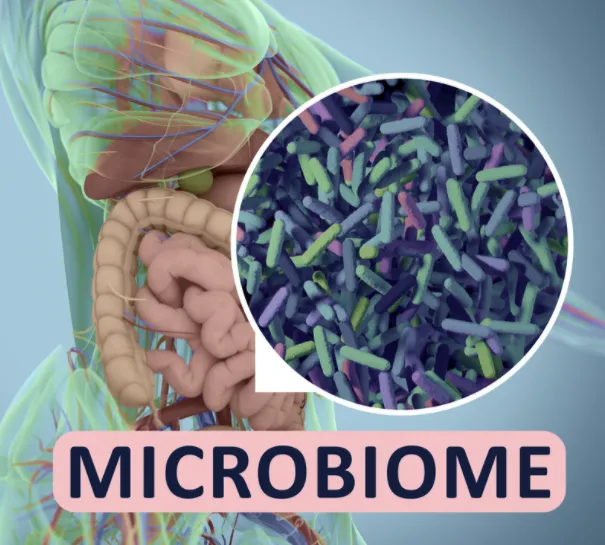
Research has shown that the type of bacteria in our digestive system can play a very positive or negative impact on our health.
To make a long story short, the overgrowth of bad bacteria in the digestive system leads to irritation of the stomach and intestinal lining.
This leads to issues with proper absorption of nutrients as well as allowing toxins, bacteria, viruses, and undigested food particles to pass into the bloodstream.
The body recognizes these invaders and mounts an inflammatory response which over time causes global inflammation throughout the body and eventually in the brain.
If the health of the gut gets disrupted early on in development, this can have a very negative impact on the brain at this critical time in development.
Here are some signs that you might have a digestive system problem:
Antibiotic Use – Antibiotics don’t just harm bad bacteria, they also destroy the healthy bacteria that is very important to our system. If the healthy bacteria in our system are destroyed, it can lead to the breakdown of the healthy lining in our small intestines.
Stool that are too loose or too hard – A healthy stool should be solid with a rich, brown color. The stool should not be too hard or too soft.
Stomach Pain – When people have problems with their digestive system, they might have regular stomach pains. This is typically caused by inflammation in the digestive tract. Stomach pain is not always associated with food we have just eaten. In fact, it is very common to have stomach pain a day or two after eating food that irritated their system. Monitoring your diet and how they react to foods (even days later) is a very important step in the healing process.
Addiction to certain foods – Many people have sensitivities to gluten and grain products, as well as to dairy. What makes this problem worse is that we are often addicted to the very foods that we have sensitivities to, and eating these foods soothes opiate receptors in the brain. If a person is addicted to foods with a high gluten/dairy content, it is a big sign that they need to heal their digestive system.
C – Section delivery - Typically we receive our microbiome from our mother when we pass through the vaginal canal. C-section deliveries skip this step, so these babies do not inherit the healthy bacteria from mother the same way.
One of the best ways to learn more about your digestive system (and how to heal it) is to read a book called Gut and Psychology Syndrome by Natasha Campbell-McBridge, M.D.
Dr. Campbell-McBridge holds master’s degrees in neuroscience as well as nutrition.
This is a really great resource to read and I highly recommend adding this book to your library.